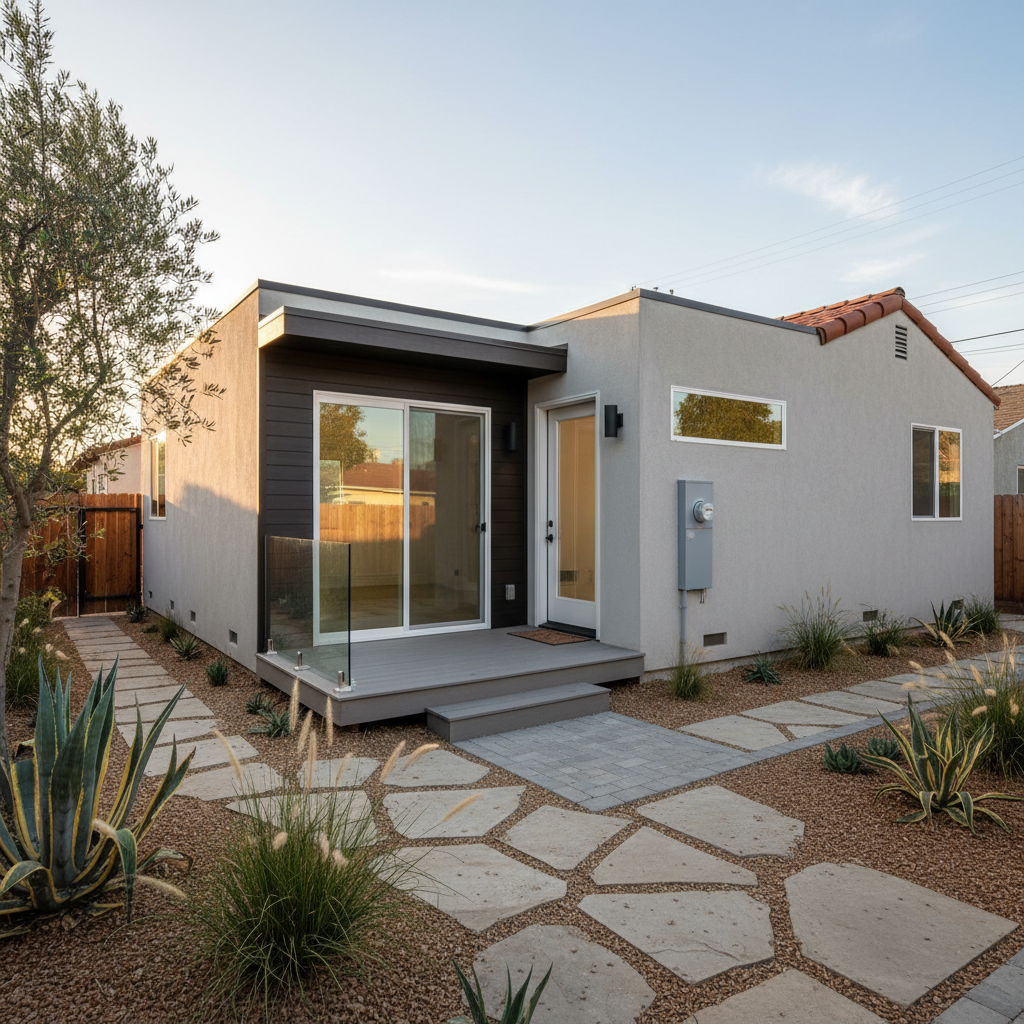
So, you're wondering what a Junior ADU (JADU) will actually run you here in Anaheim? That's a fair question. Honestly, a lot of people get hit with sticker shock or just get vague answers when they ask. I've been building these things for years, and I can tell you there's a range, sure, but it's not some big mystery. Let's dig into the real cost of JADUs so you know exactly what to expect.
What Exactly Is a JADU, Anyway? And Why Is It Cheaper?
First things first, a JADU is a specific kind of ADU. It always gets built inside your main house's existing footprint, usually by converting a spare bedroom or a den. It can't be bigger than 500 square feet, needs an efficiency kitchen (think a sink, a cooking appliance, and a small fridge), and has to have its own entrance. The main reason it typically costs less than a full ADU? You're not building a whole new structure from scratch or adding a bunch of square footage. Most of the time, you're just reconfiguring space you already have. That saves a ton on foundation, framing, and roofing – big ticket items, you know?
What Makes the Price Go Up (or Down)?
A few key things really move the needle on JADU costs:
- Existing Layout: This is huge, truly. If you're turning an old master bedroom suite into a JADU and it already has plumbing for a bathroom right where you want the kitchen, you're golden. But if you're trying to put a kitchen on the opposite side of the house from any existing water lines, well, you're looking at tearing up floors and walls to run new pipes. That gets expensive, fast.
- Kitchen & Bathroom Finishes: Just like in your main house, cabinets, countertops, and fixtures come with a massive price range. Laminate counters and basic IKEA cabinets are a world apart from quartz and custom millwork. Same goes for bathroom tile, showers, and vanities.
- Electrical Upgrades: A JADU often needs its own electrical subpanel, especially if you're adding a bunch of new appliances. Older homes, particularly those built in the 60s or 70s around spots like the Anaheim Colony, might even need a service upgrade to handle the extra load. That's a significant cost right there.
- Separate Entrance: The law says a JADU needs its own entrance, but how you make that happen really matters. Converting an existing sliding door or a side door is usually pretty straightforward. Cutting a brand new door opening into an exterior wall, though, involves framing, stucco or siding work, and a new door. That adds up.
- Permits & Plans: You'll need architectural plans drawn up and permits from the City of Anaheim. These costs aren't optional, and they vary based on how complex your project is. Don't try to cut corners here; good plans save you headaches later.
- Structural Issues: Sometimes you open up a wall and find something you didn't expect – old water damage, some really shoddy work from a previous owner, or even just framing that needs reinforcement for a new door opening. These little surprises can definitely bump up the budget.
Typical Cost Ranges for an Anaheim JADU
Alright, let's talk real numbers. From what I've seen with ADU Construction Co. and other contractors around here, you're generally looking at:
- Basic JADU (250-350 sq ft): $60,000 - $90,000. This covers a pretty straightforward conversion of an existing space, minimal plumbing relocation, basic finishes (think laminate or entry-level quartz, standard cabinets, vinyl plank flooring), and a simple separate entrance. It'll be clean and functional, but not fancy.
- Mid-Range JADU (350-500 sq ft): $90,000 - $130,000. This range gives you a bit more space, allows for some plumbing adjustments, slightly nicer finishes (mid-grade quartz, better cabinets, maybe some custom tile work in the bathroom), and potentially a little structural work for a new door. Most people find themselves in this category.
- High-End JADU (up to 500 sq ft): $130,000 - $170,000+. If you're after high-end finishes, major layout changes, brand new plumbing runs across the house, a custom entrance, or if your existing home throws a few curveballs (like needing a main electrical panel upgrade), you'll be in this range.
Remember, these are just ballpark figures. The only way to get a solid price is to get a detailed quote tailored to your specific property.
What Should a Good Quote Include?
When you get a quote from a contractor, don't just stare at the bottom line. A good quote should be detailed and totally transparent. Here's what I always include for my clients:
- Permit & Plan Costs: A separate line item for architectural drawings, engineering (if it's needed), and city permit fees.
- Demolition: What exactly is being removed.
- Framing: Any new walls, door openings, or structural changes.
- Plumbing: All new lines for the kitchen and bathroom, plus fixture installation.
- Electrical: New circuits, outlets, lighting, and a subpanel (if it's needed).
- HVAC: Often a mini-split system for a JADU, or tying into existing HVAC if that's possible.
- Insulation: Walls, ceiling, floor (if applicable).
- Drywall & Paint: All the finishing work.
- Flooring: Material and installation.
- Kitchen: Cabinets, countertops, sink, faucet, basic appliance hookups (the owner usually buys the appliances themselves).
- Bathroom: Vanity, toilet, shower/tub, tile, fixtures.
- Exterior Work: New door, stucco/siding patch, any necessary landscaping touch-ups around the entrance.
- Cleanup & Hauling: You don't want to be left with a mess, do you?
- Project Management & Supervision: This is my time making sure everything runs smoothly.
If a quote is just one big number, seriously, walk away. You really need to understand where your money is going.
How to Avoid Overpaying
Nobody wants to get ripped off. Here's my best advice:
- Get Multiple Bids: Three detailed quotes from licensed, insured contractors are ideal. Don't just pick the cheapest one; compare what each quote actually includes.
- Be Specific About Finishes: The more decisions you make upfront about your kitchen and bathroom materials, the more accurate your quote will be.