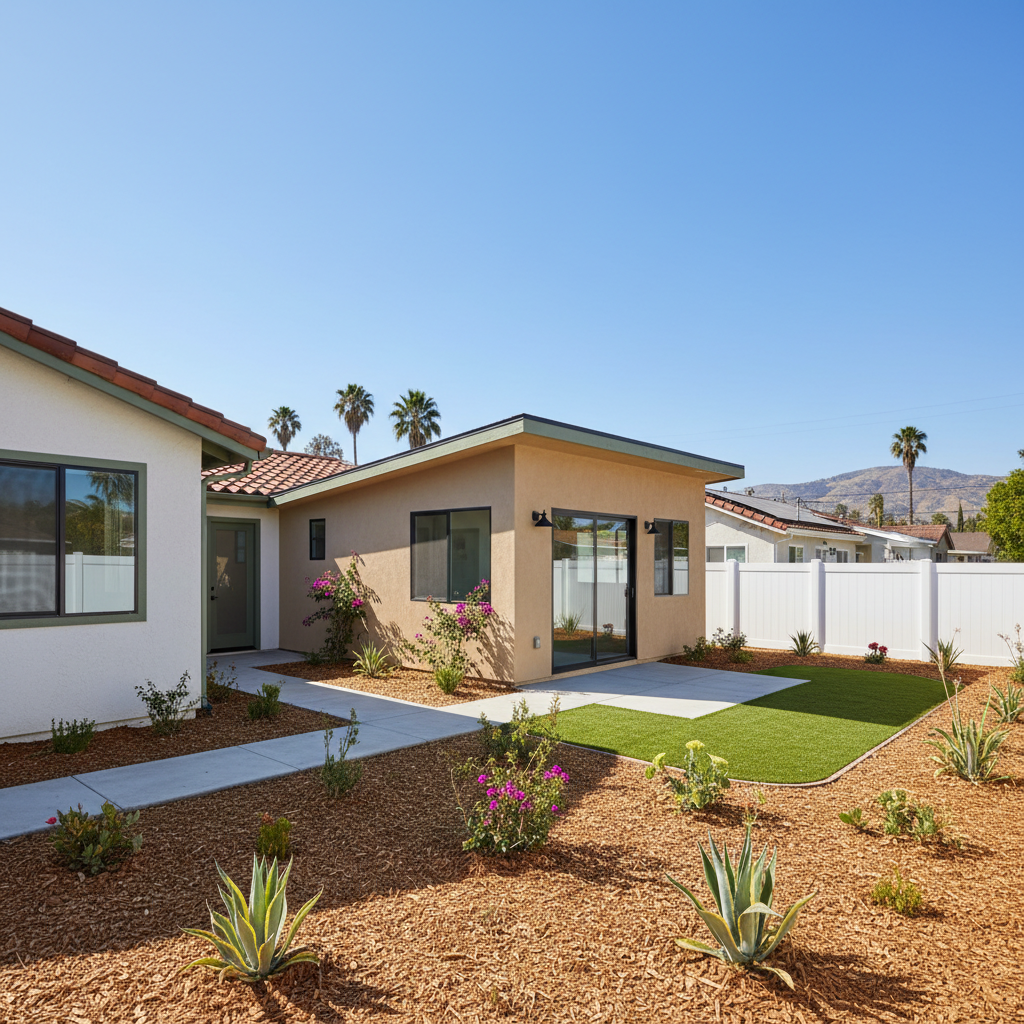
Alright, so you're thinking about adding an ADU to your Anaheim property. Maybe it's for family, maybe it's to bring in some extra rental income. Whatever the reason, it's a big project, and you really want to get it right. I’ve seen a lot of these go from start to finish, and the ones that run smoothly? They always, always begin with solid planning. Let's talk about what that actually looks like.
Your ADU Timeline: What to Expect
People always want to know how long it’s going to take. Look, this isn't like building a shed out back. It’s a real structure, and there are quite a few steps involved. From the very beginning to the very end, you're generally looking at 10 to 18 months. Sometimes even a bit longer, especially for complex projects or if you hit a snag with the city. That might sound like a long haul, but let's break it down:
- Design & Permitting (3-8 months): This is the phase where you team up with an architect or designer to draw up your plans. Then, those plans head over to the City of Anaheim for review. This can easily be the longest part of the whole process. You'll need to deal with planning, building, and sometimes even public works departments. They're scrutinizing everything from setbacks to fire safety, and how it all connects to your existing utilities. Patience, my friend, is absolutely key here.
- Contractor Selection (2-4 weeks): Once your plans are approved, you’ll start getting bids from contractors. Don't rush this part. Compare proposals carefully, check references, and make sure you feel genuinely good about the team you're bringing on board.
- Construction (4-8 months): This is the actual building phase. Foundations go in, then framing, plumbing, electrical, roofing, and all the finishes – it all happens during this stretch. Weather can definitely play a role, especially during our rainy season, as you might imagine.
- Final Inspections & Occupancy (2-4 weeks): Once construction wraps up, the city conducts its final inspections. After everything passes muster, you get your Certificate of Occupancy. And then, just like that, it's officially ready!
How to Prepare Your Property (and Yourself)
Before any dirt gets moved, there's a lot you can do to get ready. First off, really understand your property. Do you have easy access for construction vehicles? Is your backyard full of mature trees that might need to be moved or protected? We often see homes in older Anaheim neighborhoods, like around the Colony Historic District, where lot lines can be tight and access is a real consideration. Knowing these things upfront helps us plan much better.
You'll also need to think about where you'll store materials, where the crew will park, and how you’ll manage your family's daily life during construction. It’s going to be noisy, dusty, and there will be people on your property. Setting clear boundaries and expectations with your contractor from the start is huge. If you've got kids or pets, think about how to keep them safe and out of the construction zone – safety first, always.
Questions to Ask Before You Sign That Contract
This is where you protect yourself, plain and simple. Don't be afraid to ask tough questions. You're making a big investment, after all. Here are a few I'd make sure you cover:
- What's your detailed payment schedule? You should never pay for the entire project upfront. There should be clear milestones tied directly to payments.
- How do you handle change orders? Things come up, right? Maybe you decide you want a different type of flooring. How will that be priced and approved? Get it in writing.
- What's the communication plan? Who's my main point of contact? How often will I get updates? Weekly meetings? Daily texts?
- What about permits and inspections? Who is responsible for pulling all necessary permits and scheduling inspections with the City of Anaheim? It should definitely be the contractor.
- What's included in the price, and what's not? Get a very specific scope of work. Does it include landscaping? Fencing? Utility hookups? Appliance installation? Don't assume anything.
- What kind of warranty do you offer on your work? A reputable contractor, like us at ADU Construction Co, will stand behind their work.
- Can I see your license and insurance? Verify both. Make sure their insurance covers workers' compensation and general liability.
- What's your estimated project timeline, and what factors could cause delays? They should be upfront about potential issues like material shortages or city review times.
Asking these questions isn't being difficult; it's being smart. It helps you understand exactly what you're getting into and ensures you and your contractor are on the same page. A good contractor will appreciate your thoroughness, trust me.